What Is Trenchless Sewer Replacement?
Trenchless sewer replacement is a method of installing new underground piping while minimizing the amount of excavation required along the existing sewer line.
Traditional replacement often involves digging a trench to expose and remove damaged piping. Trenchless methods use specialized equipment to replace or rehabilitate underground pipes through smaller access areas.
Depending on the method and property conditions, trenchless technology may help preserve:
- Lawns and established landscaping
- Driveways and walkways
- Patios and outdoor living spaces
- Parking lots and other paved surfaces
Although trenchless techniques reduce extensive excavation, they are not completely digging-free. Access pits or additional excavation may still be necessary.
When Does a Sewer Line Need Replacement?
Not every sewer problem requires a new pipe. Some issues can be resolved through drain cleaning, hydro jetting, or localized repairs. However, replacement may be necessary when structural damage prevents the line from functioning reliably.
Cracked or Deteriorating Sewer Pipes
Older clay and cast-iron sewer lines can develop cracks, corrosion, and separated joints over time. These problems may allow soil or tree roots to enter the pipe, restricting wastewater flow.
When deterioration affects multiple sections, replacing the damaged line may be more practical than repeatedly repairing individual areas.
Recurring Sewer Backups
Frequent backups may indicate more than a removable blockage. Cracked pipes, root intrusion, and misaligned joints can create areas where debris repeatedly collects.
A sewer camera inspection can help determine whether cleaning is sufficient or the pipe requires repair or replacement.
Tree Root Damage
Roots can enter underground sewer lines through damaged joints and cracks. While professional cleaning can remove some root obstructions, the problem may return if the pipe remains damaged.
Extensive root intrusion or repeated pipe damage may make replacement necessary.
Collapsed or Misaligned Pipes
Collapsed sections and severely offset joints can restrict or completely block wastewater flow. Some conditions may require traditional excavation, especially when the existing pipe has significant alignment or slope problems.
Many established Cleveland properties have aging underground sewer infrastructure, but the age of a building alone doesn't mean replacement is necessary. A professional inspection helps determine the condition of the existing line.
How Does Trenchless Sewer Replacement Work?
Different trenchless methods can address damaged sewer pipes without excavating the full length of the line. The appropriate method depends on the pipe's condition, alignment, and accessibility.
Pipe Bursting
Pipe bursting replaces an existing sewer line by pulling a specialized bursting head through the old pipe while drawing a new pipe into place.
The bursting head breaks apart or displaces the existing piping, allowing the new line to follow a similar underground path.
This method can be useful for certain deteriorated sewer lines, but surrounding utilities, soil conditions, and severe pipe misalignment may limit its suitability.
Cured-in-Place Pipe Lining (CIPP)
Pipe lining is a trenchless rehabilitation method rather than a complete pipe replacement.
A resin-saturated liner is inserted into the existing pipe and cured to create a new interior pipe surface. This approach can help address certain cracks and leaks when the original pipe remains suitable for lining.
However, pipe lining cannot correct major slope problems, severe misalignment, or certain collapsed sections.
A professional evaluation is necessary to determine which trenchless methods are appropriate for your property.
Benefits of Trenchless vs. Traditional Sewer Replacement
Trenchless replacement can offer several advantages compared with conventional open-trench excavation.
- Less extensive digging: Smaller access areas can reduce disruption across the property.
- Reduced landscape damage: Established lawns, gardens, and landscaping may be easier to preserve.
- Less pavement removal: Some projects can avoid excavating the full length of a driveway or walkway.
- Potentially faster restoration: Less excavation may reduce backfilling and surface restoration work.
- Durable piping materials: Modern replacement pipes are designed for long-term underground use when properly installed.
However, trenchless methods are not always the best option. Traditional excavation may be necessary when pipes have collapsed, shifted significantly, or developed improper slopes that need correction.
The right choice depends on the existing pipe's condition, underground utilities, accessibility, and overall project requirements.
Our Sewer Replacement Process
Reliable Basement & Drain evaluates the existing sewer system before recommending trenchless replacement or traditional excavation.
1. Inspect the Sewer Line
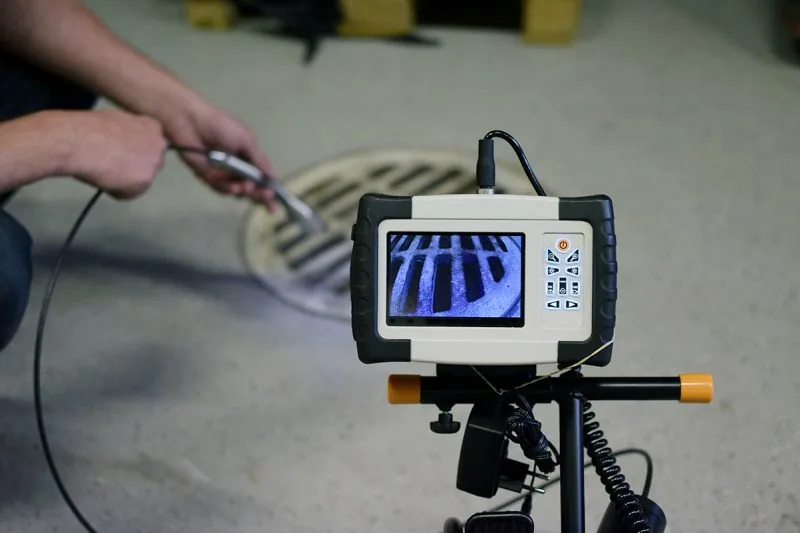
We review the symptoms, previous repair history, and condition of the underground piping. When appropriate, a video camera inspection helps identify cracks, root intrusion, separated joints, and other visible defects.
2. Determine the Best Replacement Method
Our team evaluates the pipe's material, depth, alignment, accessibility, and surrounding conditions to determine whether trenchless replacement is feasible.
If the existing line isn't suitable for a trenchless approach, we explain alternative repair or replacement options.
3. Review the Project Plan
We discuss the recommended work, necessary excavation areas, access requirements, and potential restoration needs so you understand the project before work begins.
4. Complete the Replacement
After the project is approved and required preparations are completed, the damaged line can be replaced using the selected method. The completed work is evaluated for proper connections and drainage performance, with applicable inspections performed as required.
How Much Does Trenchless Sewer Replacement Cost?
The cost of trenchless sewer replacement depends on the property's conditions and the complexity of the project.
Factors that influence pricing include:
- Pipe length and diameter: Longer or larger lines may require more materials and specialized equipment.
- Existing pipe condition: Severe damage or collapse can affect the available replacement methods.
- Depth and accessibility: Deep sewer lines or restricted work areas may increase installation complexity.
- Excavation requirements: Access pits and additional digging may still be necessary.
- Permits and restoration: Required inspections, utility connections, and surface repairs can affect the final cost.
Trenchless replacement is not automatically less expensive than traditional excavation. While it may reduce landscaping and pavement restoration costs, specialized equipment and site conditions also influence pricing.
A professional assessment can help determine the most appropriate method and provide an accurate estimate.
Trenchless Sewer & Pipe Replacement FAQs
Is trenchless sewer replacement better than traditional excavation?
Trenchless replacement can reduce excavation and property disruption, but it isn't suitable for every sewer line. The best method depends on the pipe's condition, alignment, accessibility, and surrounding infrastructure.
Can a collapsed sewer line be replaced without digging?
It depends on the severity of the collapse. Some damaged pipes may qualify for trenchless replacement, while completely collapsed or significantly misaligned sections may require excavation.
How long does trenchless sewer replacement take?
Project duration depends on the pipe's length, depth, condition, access requirements, and necessary permits. A professional evaluation can provide a more accurate project timeline.
Can trenchless replacement fix sewer lines damaged by tree roots?
Yes, trenchless replacement may be appropriate when root intrusion has damaged underground piping. Replacing the affected line can address cracks and deteriorated joints that allowed roots to enter.
Does trenchless sewer replacement require digging up my yard?
Trenchless sewer replacement typically requires some excavation to access the existing pipe and complete necessary connections. However, it can eliminate the need to dig a continuous trench along the entire sewer line. The amount of digging depends on pipe depth, condition, location, and the replacement method selected. An inspection helps determine whether your property qualifies for a reduced-excavation approach.
What is the difference between pipe bursting and pipe lining?
Pipe bursting installs a new pipe while displacing the existing one. Pipe lining rehabilitates the original pipe by creating a new interior surface. Each method has different requirements and applications.
Schedule Trenchless Sewer Replacement in Cleveland, OH
A deteriorating sewer line can lead to repeated backups, property damage, and ongoing repair costs. If your underground piping is severely damaged or conventional cleaning is no longer effective, trenchless sewer replacement may provide a practical long-term solution.
With over 25 years of experience, Reliable Basement & Drain helps Cleveland homeowners and businesses evaluate damaged sewer systems and understand their replacement options. Our veteran-owned team emphasizes accurate inspections, straightforward recommendations, and dependable workmanship to help you make informed decisions about your property.
Call (440) 324-2380 or request a free quote today to discuss trenchless sewer and pipe replacement.