Common Causes of Clogged Kitchen Sink Drains
Kitchen sinks handle food residue, grease, soap, and other materials daily. Over time, these substances can accumulate inside the drain assembly and connected piping, gradually restricting wastewater flow.
Grease, Fats, and Cooking Oils
Grease is one of the most common causes of kitchen drain blockages. When cooking fats and oils enter the sink, they can cool, thicken, and stick to the inside of drainpipes.
As additional grease accumulates, it traps food particles and other debris, creating stubborn obstructions. Even small amounts disposed of regularly can contribute to recurring drainage problems.
Food Scraps and Debris
Rice, pasta, coffee grounds, vegetable peels, and other food particles can collect inside kitchen drain lines.
Some foods expand when exposed to water, while others combine with grease to form dense blockages. Using a garbage disposal doesn't eliminate this risk, since ground food waste can still accumulate farther inside the plumbing.
Soap and Detergent Buildup
Dish soap, detergents, and cleaning products can leave residue inside pipes, especially when combined with grease and food debris.
Over time, this accumulation can narrow the drainage passage and contribute to slow-moving water.
Garbage Disposal Blockages
Garbage disposals break food waste into smaller pieces, but they cannot prevent every clog.
Fibrous vegetables, starchy foods, grease, and excessive food waste can contribute to obstructions inside the disposal or connected drainpipe. Sometimes the disposal itself becomes jammed, while other problems occur farther down the line.
Aging or Damaged Drainpipes
Older kitchen drainpipes may develop corrosion, rough interior surfaces, or deteriorating connections that make buildup more likely.
Some established Cleveland homes have aging plumbing systems where recurring sink clogs may indicate a problem beyond ordinary food debris. If cleaning doesn't provide lasting results, additional inspection may be necessary.
Signs Your Kitchen Sink Drain Needs Professional Cleaning
Kitchen drain problems often develop gradually before the sink becomes completely blocked.
Common warning signs include:
- Slow drainage: Water takes longer than usual to leave the sink after washing dishes.
- Standing water: Water remains in the basin or drains only after an extended period.
- Recurring clogs: The sink becomes blocked again shortly after being cleaned.
- Unpleasant odors: Trapped food, grease, and organic debris may produce persistent smells.
- Gurgling noises: Bubbling sounds may indicate restricted drainage or an airflow problem.
- Water backing up: Wastewater returns to the sink when the dishwasher drains or another connected fixture is used.
A single clogged kitchen sink typically indicates a localized drainage problem. However, when multiple fixtures are affected, the obstruction may be farther inside the plumbing system.
Professional cleaning can help determine whether the problem involves the sink trap, branch drain, or a larger drainage line.
Our Professional Kitchen Sink Drain Cleaning Process
Reliable Basement & Drain evaluates the cause of the blockage before recommending a cleaning method. The goal is to remove the obstruction while accounting for the condition and configuration of the pipes.
1. Evaluate the Drainage Problem
We begin by reviewing the symptoms, how long the sink has been draining slowly, and whether the clog has occurred before.
Our team also considers whether the sink has a garbage disposal, dishwasher connection, or other plumbing components that may be contributing to the problem.
2. Locate and Remove the Blockage
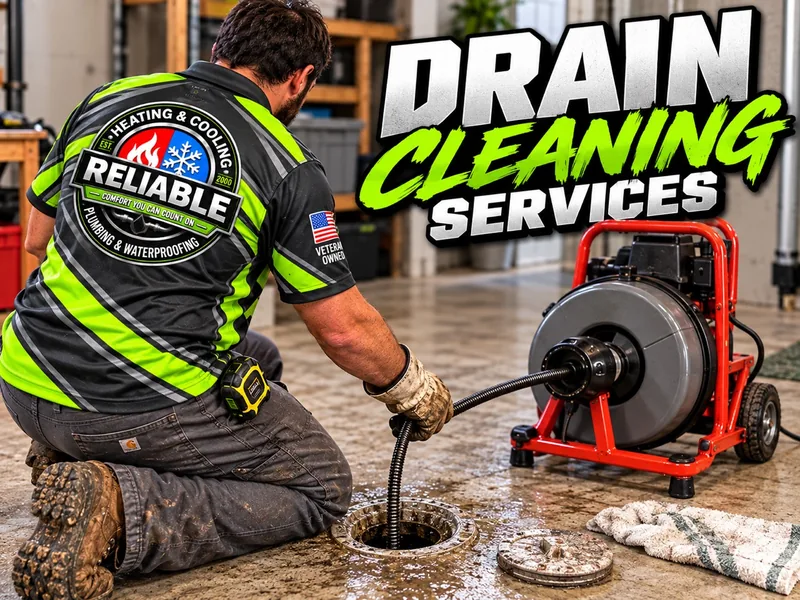
Depending on the obstruction's location, technicians may inspect accessible drain components and use professional cleaning equipment to remove accumulated grease, food waste, or debris.
Mechanical drain cleaning can be effective for many localized clogs. For particularly heavy buildup in suitable pipes, additional methods such as hydro jetting may be considered.
3. Check Drainage Performance
After clearing the obstruction, we check whether water flows properly through the affected drain.
If the sink continues to drain slowly or the blockage repeatedly returns, additional investigation may be necessary.
4. Explain Any Additional Concerns
If the problem involves damaged pipes, recurring buildup, or a blockage farther downstream, our team explains the findings and available solutions.
We focus on addressing the underlying problem rather than repeatedly clearing the same obstruction without understanding its cause.
Kitchen Sink Drain Cleaning vs. DIY Methods
Minor kitchen sink clogs can sometimes be resolved by removing visible debris, cleaning an accessible sink strainer, or using a household plunger.
However, more stubborn blockages may require professional equipment, particularly when grease and food waste have accumulated farther inside the drainpipe.
Chemical drain cleaners are not always effective against dense grease deposits or solid obstructions. Some products contain hazardous ingredients and can create risks during handling or subsequent plumbing work.
Repeatedly pouring boiling water down the drain is also not a reliable solution. It may soften some grease temporarily without removing the full blockage, and very hot water can be unsuitable for certain plumbing materials or connections.
Professional drain cleaning provides a more controlled approach to removing difficult clogs while considering the condition of the plumbing system.
If basic cleaning hasn't improved drainage, it's best to investigate the blockage rather than continue using treatments that provide only temporary relief.
Why Does My Kitchen Sink Keep Clogging?
Recurring kitchen sink clogs often indicate that buildup remains inside the drainpipe or that everyday materials are continuing to collect in the same area.
Common contributing factors include:
- Incomplete grease removal: Residue remaining along pipe walls can trap additional food particles.
- Frequent disposal of food waste: Coffee grounds, starches, and other debris can accumulate despite garbage disposal use.
- Corroded or rough piping: Aging pipe interiors may catch grease and food residue more easily.
- Improper drainage slope: Poorly pitched pipes can allow wastewater and solids to collect.
- Blockages farther downstream: A restriction in a shared branch drain may affect the kitchen sink and nearby fixtures.
In some cases, a more thorough drain cleaning is enough to restore normal function. If clogs continue returning, a video inspection may help identify visible pipe defects or persistent obstructions.
When a Kitchen Sink Clog Indicates a Larger Drain Problem
Most kitchen sink clogs occur within the sink drain or connected branch line. However, some symptoms indicate that the issue may extend farther into the drainage system.
For example, if water backs up into the kitchen sink when the dishwasher drains, the connected drain may be restricted. If several plumbing fixtures drain slowly or wastewater backs up into a basement floor drain, a shared drain or main sewer line may be involved.
Other warning signs include recurring sewer odors, gurgling toilets, and frequent backups affecting multiple areas of the property.
Reliable Basement & Drain provides additional drain cleaning, sewer camera inspection, and sewer repair services when kitchen sink drainage problems are connected to a larger plumbing issue.
How to Help Prevent Kitchen Sink Drain Clogs
A few everyday habits can help reduce grease and food buildup inside your kitchen drain.
- Keep grease out of the sink: Allow cooking oils and fats to cool, then dispose of them in the trash using an appropriate container.
- Scrape plates before washing: Remove food scraps rather than rinsing large amounts into the drain.
- Use a sink strainer: Catch food particles before they enter the plumbing.
- Follow garbage disposal guidelines: Avoid overloading the disposal with fibrous, starchy, or excessive food waste.
- Clean accessible drain components: Remove visible residue from sink strainers and other accessible areas.
- Address slow drainage early: Don't wait for a partial blockage to become a complete clog.
If your kitchen sink repeatedly clogs despite proper use, professional cleaning can help remove accumulated deposits and identify any underlying issues.
Kitchen Sink Drain Cleaning FAQs
What causes a kitchen sink to clog?
Grease, cooking oils, food scraps, soap residue, and garbage disposal waste are common causes. These materials can accumulate inside the drainpipe and gradually restrict water flow.
Can professional drain cleaning remove grease buildup?
Yes. Professional drain cleaning can remove many grease-related blockages. Depending on the pipe's condition and the severity of buildup, mechanical cleaning or high-pressure water jetting may be appropriate.
Why is my kitchen sink draining slowly even after cleaning it?
The blockage may not have been completely removed, or debris may be accumulating farther inside the drain line. Damaged pipes, improper drainage slope, and recurring grease deposits can also cause slow drainage.
Can a garbage disposal cause a kitchen sink clog?
Yes. Food waste can become trapped inside the disposal or connected drainpipe. Even when the disposal operates normally, ground food particles and grease may accumulate farther downstream.
Why does water back up into my sink when the dishwasher runs?
Dishwashers typically discharge wastewater through plumbing connected to the kitchen sink. If grease, food debris, or another obstruction restricts the shared drainpipe, water may back up into the sink during a wash cycle. A blocked garbage disposal connection or dishwasher drain hose issue may also contribute. Inspecting the connected plumbing can help identify where the restriction is occurring.
Is it safe to use chemical drain cleaners?
Chemical drain cleaners can create handling hazards and may not fully remove stubborn grease or food blockages. If you've already used one, tell your technician before service so appropriate precautions can be taken.
How much does kitchen sink drain cleaning cost in Cleveland?
Pricing depends on the blockage's severity, location, accessibility, and whether additional inspection or repairs are necessary. Contact Reliable Basement & Drain for an estimate based on your drainage problem.
Schedule Kitchen Sink Drain Cleaning in Cleveland, OH
A clogged kitchen sink can interrupt cooking, cleaning, and everyday activities. Whether you're dealing with slow drainage, stubborn grease buildup, or a recurring blockage, Reliable Basement & Drain can help identify the problem and restore proper wastewater flow.
With over 25 years of experience, our veteran-owned team provides professional drain cleaning for Cleveland homes and businesses. We focus on accurate evaluations, effective cleaning methods, and clear recommendations to help you address persistent kitchen drain problems with confidence.
Call (440) 324-2380 or request a free quote today to schedule professional kitchen sink drain cleaning.