What Is a Sewer Camera Inspection?
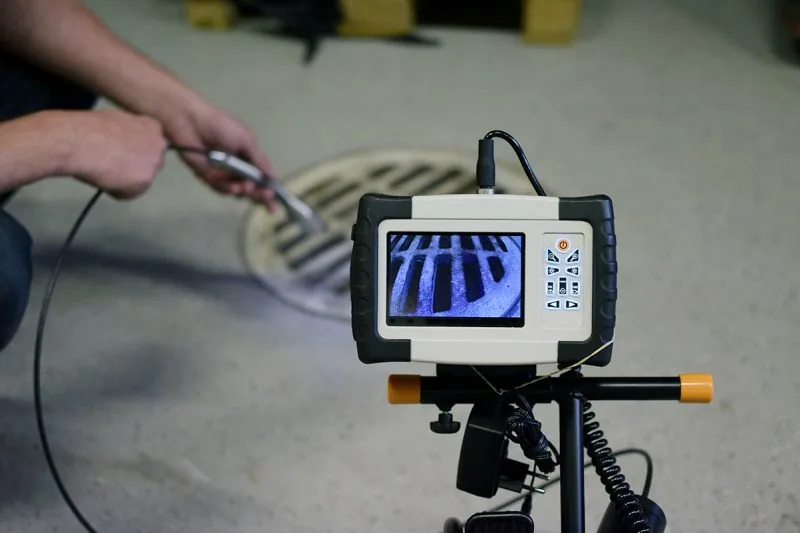
A sewer camera inspection is a diagnostic service that allows technicians to examine the inside of drain and sewer pipes using specialized waterproof camera equipment.
A camera attached to a flexible cable or inspection system travels through accessible sections of piping, transmitting video footage to a monitor. This allows technicians to observe the pipe's interior condition and identify visible problems.
Unlike excavation, which involves digging to expose underground pipes, video inspections can often be performed through an existing cleanout or another suitable access point.
A camera inspection can help identify:
- Tree roots growing into sewer pipes
- Grease, sludge, and debris buildup
- Cracked or deteriorating pipe sections
- Separated or misaligned pipe joints
- Standing water inside drainage lines
- Foreign objects or other obstructions
- Certain types of pipe collapse
Although cameras reveal many visible defects, they cannot identify every underground problem. Some conditions may require additional testing or investigation.
When Should You Schedule a Sewer Video Inspection?
Not every slow drain requires a camera inspection. However, recurring problems or symptoms affecting multiple fixtures may indicate an issue deeper inside the drainage system.
Recurring Drain Clogs
If the same drain keeps clogging after professional cleaning, the problem may involve damaged pipe joints, heavy buildup, or tree roots that repeatedly trap debris.
A camera inspection can help determine whether additional cleaning is appropriate or whether the pipe requires repair.
Sewer Backups and Multiple Slow Drains
When wastewater backs up into basement floor drains, toilets, or bathtubs, the problem may originate in the main sewer line.
Similarly, several drains struggling to empty at once may indicate a restriction farther down the system. Video inspection helps locate visible obstructions and evaluate the pipe's condition.
Suspected Tree Root Intrusion
Tree roots can enter sewer lines through cracks and separated joints, particularly in older underground piping.
A sewer camera can reveal roots inside accessible sections and help identify where intrusion has occurred. If the pipe is damaged, removing the roots may not prevent future blockages.
Persistent Sewer Odors or Gurgling Drains
Unpleasant sewer odors and gurgling fixtures may indicate a drainage or venting problem.
When other symptoms suggest a main line issue, camera inspection may help identify an obstruction or visible pipe defect contributing to the problem.
Before Major Sewer Repairs
When a sewer line is suspected of being damaged, video inspection can provide information about the affected section before significant work begins.
These findings help determine whether the problem may be addressed through cleaning, localized repair, or pipe replacement.
Common Sewer Problems a Camera Inspection Can Reveal
Video inspections help distinguish removable blockages from structural problems that may require more extensive work.
Tree Roots and Heavy Buildup
Roots can enter damaged sewer pipes and trap grease, waste, and other debris. Meanwhile, sludge and accumulated deposits can narrow the pipe and restrict wastewater flow.
Camera footage helps identify visible obstructions and determine whether mechanical cleaning or hydro jetting may be appropriate.
Cracks and Deteriorating Pipes
Clay, cast-iron, and other sewer pipes can develop cracks, corrosion, or deterioration over time.
A camera inspection may reveal visible damage and help determine whether the affected section needs additional evaluation, repair, or replacement.
Separated or Misaligned Joints
Soil movement, aging connections, and pipe settlement can cause underground joints to separate or become offset.
These defects may restrict drainage and create areas where debris collects, leading to recurring clogs.
Sewer Line Bellies and Standing Water
A sewer line belly occurs when part of a pipe sags, creating a low area where wastewater and solids can accumulate.
Persistent standing water during an inspection may indicate improper slope or a sagging section. However, additional measurements may be necessary to confirm the pipe's alignment.
Our Sewer Camera Inspection Process
Reliable Basement & Drain evaluates the symptoms and condition of the drainage system before recommending repairs.
1. Review the Drainage Problem
We begin by discussing the affected drains, frequency of blockages, and history of previous cleaning or repairs.
These details help determine which sections of the system may require inspection.
2. Access and Inspect the Pipe
The camera is inserted through an accessible cleanout or another suitable entry point.
As the equipment moves through the line, the technician examines the visible pipe condition, looking for blockages, root intrusion, cracks, and other defects.
If a severe obstruction prevents the camera from moving farther, cleaning may be necessary before the inspection can continue.
3. Identify the Problem Area
Camera footage can help identify the approximate location and extent of visible damage or buildup.
When compatible locating equipment is available, technicians may also be able to determine the underground position of the affected section.
4. Explain the Findings and Next Steps
After reviewing the inspection findings, our team explains what was observed and recommends an appropriate course of action.
Depending on the condition of the pipe, the solution may involve drain cleaning, hydro jetting, localized sewer repair, or replacement.
Sewer Camera Inspections for Older Cleveland Properties
Many established Cleveland homes and commercial buildings have underground sewer lines that have been in service for decades.
Older clay or cast-iron pipes may develop corrosion, cracks, separated joints, and root intrusion over time. Soil movement and seasonal freeze-thaw conditions can also affect underground infrastructure.
However, an older property doesn't automatically need sewer repairs. A camera inspection can help assess visible pipe conditions before deciding whether more extensive work is necessary.
Video inspections can be particularly useful for properties experiencing recurring basement drain backups, frequent main sewer clogs, or problems that haven't been resolved through previous cleaning.
Sewer Camera Inspection vs. Drain Cleaning
Video inspection and drain cleaning are related services, but they serve different purposes.
Drain cleaning removes obstructions. Mechanical equipment or high-pressure water jetting can clear grease, sludge, roots, and other materials restricting wastewater flow.
Video inspection helps identify the cause. Camera equipment allows technicians to examine visible pipe conditions and determine whether buildup, structural damage, or another issue may be responsible.
Sometimes both services are necessary. For example, a camera may reveal heavy grease deposits that require jetting, or a blockage may need to be cleared before the camera can inspect the remaining line.
If the inspection reveals cracks, collapsed sections, or significant joint damage, cleaning alone won't correct those problems.
Understanding the difference helps property owners avoid unnecessary work and choose an appropriate repair approach.
How Video Inspections Help Plan Sewer Repairs
When underground pipe damage is suspected, a camera inspection can provide useful information for planning the next steps.
- Localized sewer repair: If damage is limited to one section, targeted repair may be possible without replacing the entire line.
- Trenchless sewer replacement: Certain damaged pipes may qualify for replacement methods that reduce extensive excavation. Additional site evaluation is required to determine suitability.
- Traditional excavation: Severely collapsed or misaligned pipes may require excavation to restore proper drainage.
The final repair recommendation depends on the inspection findings, pipe depth, accessibility, alignment, and surrounding conditions.
Sewer Video Inspection FAQs
What can a sewer camera inspection detect?
A sewer camera can reveal many visible problems, including root intrusion, cracks, separated joints, grease buildup, standing water, and certain collapsed sections. However, additional testing may be necessary to confirm defects that aren't visible inside the pipe.
Can a sewer camera find a leak?
A sewer camera inspection can reveal visible cracks, holes, separated joints, and other pipe defects that may allow wastewater to escape. However, camera footage alone cannot always confirm an active leak or identify damage outside the pipe. Depending on the findings, additional testing may be necessary to determine the source and extent of the problem before recommending repairs.
Does a sewer camera inspection require digging?
Many inspections can be performed through an existing cleanout without excavation. If the pipe is inaccessible or severely obstructed, additional preparation or access work may be necessary.
Can you inspect older clay or cast-iron sewer pipes?
Yes. Camera equipment can often inspect accessible clay, cast-iron, and other sewer lines. The pipe's condition, diameter, and accessibility determine whether the inspection can be completed.
Will a video inspection tell me if I need sewer replacement?
Camera footage can reveal visible defects that help support repair or replacement recommendations. However, pipe slope, depth, alignment, and other site conditions must also be considered.
How long does a sewer camera inspection take?
Inspection time depends on pipe length, accessibility, and whether blockages prevent the camera from moving through the line. Additional cleaning or investigation may increase the time required.
How much does a sewer camera inspection cost in Cleveland?
Pricing depends on the length and accessibility of the pipe, inspection complexity, and whether additional cleaning or locating services are needed. Contact Reliable Basement & Drain for an estimate based on your property.
Schedule a Sewer Camera Inspection in Cleveland, OH
Recurring sewer backups, persistent clogs, and suspected underground pipe damage can be difficult to resolve without understanding what's happening inside the line. A professional video inspection can help identify visible problems and guide the next steps.
With over 25 years of experience, Reliable Basement & Drain helps Cleveland homeowners and businesses investigate hidden sewer and drainage concerns. Our veteran-owned team focuses on careful inspections, straightforward explanations, and practical recommendations to help you address the problem with confidence.
Call (440) 324-2380 or request a free quote today to schedule a sewer camera and video inspection.