A Guide to Hiring Crawl Space Encapsulation Contractors
Crawl space encapsulation is a way of sealing the area under your home so damp air, pooling water, and outside moisture do not get in and cause damage. This part of the house is often overlooked, but it plays a big role in keeping your home dry and your air clean. As seasons begin to shift, especially as winter makes way for spring, crawl space problems can start to show. That is why calling trusted crawl space encapsulation contractors at the right time can help prevent surprises later.
Choosing the right help does not have to feel overwhelming. In this guide, we will walk through what encapsulation actually does, when to call someone, and what to expect once the work begins. If you are in a place like Cleveland, Ohio, where the ground often shifts between frozen and soggy, spring is a good time to check on this part of your home.
What Crawl Space Encapsulation Does for Your Home
Encapsulation helps protect what is underneath your house by blocking moisture from getting into the crawl space. That means putting down a heavy barrier, sealing cracks, and controlling airflow through the vents or foundation.
Once this is done:
- Water vapor does not rise from the soil as easily, so the area stays drier
- The air inside your house can feel less damp or musty, especially during wet months
- You are less likely to have mold growing on insulation or wood framing
- Heating and cooling systems will not work as hard, which can help with energy use
A dry crawl space means fewer odor problems and less worry about floors warping or pests finding a way in. When we seal that space up properly, it helps protect the whole structure, not just what is below.
From the crawl space encapsulation service page, our process uses vapor barriers, foam insulation as needed, and can include crawl space drain or sump pump installation for active water removal.
When to Call a Professional
Some signs of trouble show up gradually. Others hit all at once after a storm or thaw. Either way, spotting early clues gives you a head start and often saves money on damage repair.
Common signs include:
- A musty smell that comes and goes, especially near the floor
- Bits of insulation that seem to droop, fall down, or look damp
- Water pooling under the house after a rain or big snow melt
- Floors indoors that begin to feel uneven or bouncy
Spring is usually a good time to call crawl space encapsulation contractors. The ground is softer, moisture problems tend to show up more clearly, and the area is easier to work in without freezing temperatures. Waiting too long can allow moisture to cause bigger issues, including mold or weakening of the wood that supports your floor. Trying to fix these problems without the right tools can lead to more frustration.
We share on our website that we start with an inspection, can remove debris, repair any water or mold damage first, and conduct air quality and moisture checks for the crawl space before we begin encapsulation.
Questions to Ask Before You Hire
When hiring contractors, knowing what to ask helps you feel more confident and avoids confusion later on. Having a short list of things to go over keeps the early meetings focused and productive.
Some good questions are:
- What types of materials do you use for sealing crawl spaces?
- Will this include reworking any vents or drains that lead under the house?
- How do you handle areas that already have damage or standing water?
- Do you offer photos or walkthroughs after the work is done?
In addition to asking about the work itself, make sure the contractor has current licenses and insurance. You can look up reviews or ask if they have worked in places similar to yours. Clear answers matter. If someone has a hard time explaining their process in simple terms, it may be worth talking with someone else.
What to Expect During the Work
Most crawl space encapsulation projects do not take too long, but it depends on the layout of the house and how much prep is needed. If there is standing water or damage to fix first, that part will happen before the sealing work begins.
Here is how the process usually goes:
- Clear out the crawl space and clean any debris or old insulation
- Repair small cracks or gaps and make basic fixes if needed
- Lay down a heavy vapor barrier across the floor and up the walls
- Seal vents or install covers, then sometimes add a dehumidifier
The work area is often accessed from outdoors or through a crawlspace door. Good contractors take care not to damage your yard or flooring while they move equipment. When the job is done, they will walk you through the changes and explain how things will look and feel different moving forward.
How Encapsulation Helps as Spring Weather Hits
Early spring is when most crawl space moisture problems start to show. Melting snow mixes with new rain, and the ground gets soggy fast. That extra water pushes against the base of your home, and if the crawl space is unsealed, it often seeps indoors. In places like Cleveland, Ohio, that thaw-to-rain pattern can get intense.
With encapsulation in place, you are more likely to avoid:
- Puddles in the crawl space after a storm
- Damp smells rising through the vents
- Wood softening or mold on beams and insulation
- Extra humidity making the indoor air uncomfortable
Doing this kind of work in the early part of the season means your home is better prepared for the months ahead. You worry less about last-minute damage and more about enjoying spring with fewer home issues.
Keep Your Space Protected for the Long Run
Moisture under the house often does not stay put. Once it moves in, it spreads, through insulation, floorboards, and even air vents. That is why sealing the space is more than just a water fix. It is a way to support long-term comfort, safer materials, and less stress about future repairs.
Spring is a good time to act. As the ground shifts and warmer days return, we get a clearer look at any damage left behind from winter. Calling experienced crawl space encapsulation contractors early on gives your home the extra support it may need before water and air pressure start to build.
Taking the time now means fewer surprises later.
Damp odors, soft spots in your flooring, or visible moisture beneath your home often become more apparent during spring in Cleveland, Ohio. Addressing these issues early can save you stress and costly repairs. Our trusted crawl space encapsulation contractors are ready to inspect your property, discuss any concerns, and explain how encapsulation can help keep your space dry and your home secure. Reliable Basement and Drain is dedicated to protecting your investment. Contact us today to schedule your inspection.
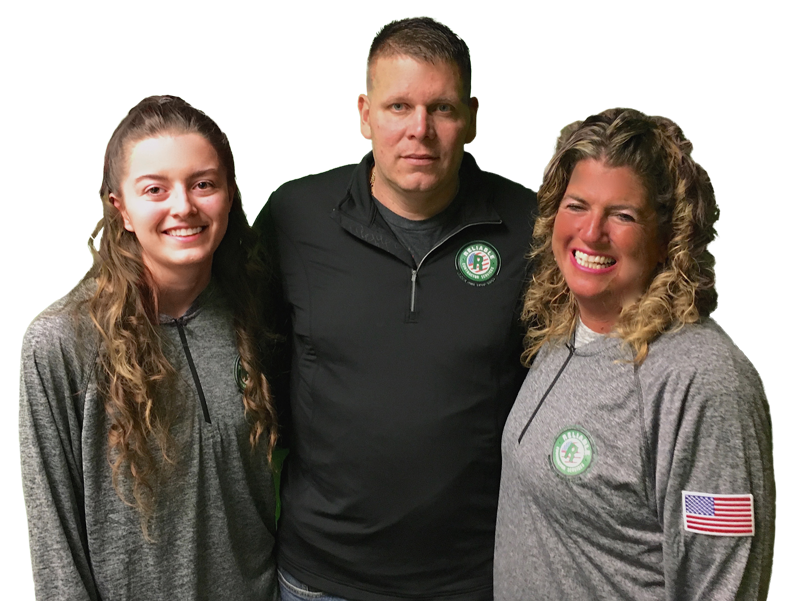
Veteran Owned And Operated!
Veteran Owned And Operated!